DEVELOPMENT OF DIAGNOSTIC AND TREATMENT METHODS
What is already known about the subject?
- Diagnosis of pulmonary hypertension (PH) is difficult due to nonspecific symptoms and limited availability of transvenous cardiac catheterization.
- Idiopathic pulmonary arterial hypertension (IPAH) and PH associated with heart failure (HF) differ in their pathogenesis and treatment strategies.
What might this study add?
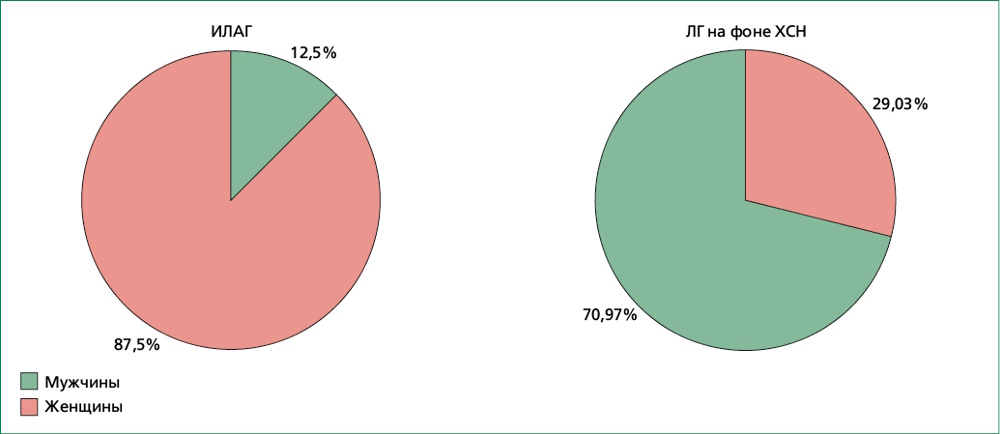
- IPAH is characterized by a younger patient age, a female predominance, and severe pulmonary artery hypertension with preserved left ventricular function, while PH associated with HF is associated with older age, male sex, and left heart structural changes.
- The screening questionnaire is informative for the early detection of PH even without echocardiographic data, allowing for a high probability of PH to be determined based solely on clinical symptoms, physical examination, and standard imaging techniques (electrocardiography, chest X-ray).
Aim. To identify the clinical, diagnostic, structural, functional, and hemodynamic parameters of the heart in patients with idiopathic pulmonary arterial hypertension (IPAH) and pulmonary hypertension (PH) associated with heart failure (HF) of ischemic origin to improve early diagnosis and differentiation of PH in primary health care, as well as to evaluate the practical applicability of a questionnaire as a primary screening tool for PH.
Material and methods. A total of 63 patients were examined. There were 32 patients with IPAH and 31 with HF-related PH. Following standard diagnostic methods were used: electrocardiography, echocardiography, chest X-ray, Holter monitoring, and laboratory tests. A specialized screening questionnaire developed by specialists at the Chazov National Medical Research Center of Cardiology was used for the early detection of PH. Final diagnosis was confirmed by transvenous right heart catheterization.
Results. Patients with IPAH were younger and predominantly female. This group of patients demonstrated more pronounced PH, hypertrophy and dilation of the right ventricles with preserved left ventricular function. In the group of PH with HF of ischemic origin, significant left heart structural changes were observed, including increased left ventricular size and volume, decreased ejection fraction, and increased pulmonary wedge pressure.
Conclusion. The study demonstrated significant clinical, anamnestic, and hemodynamic differences between various forms of PH, as well as the effectiveness of a screening questionnaire for the early detection of PH. This allows for optimized routing and improved prognosis for patients in primary care.
What is already known about the subject?
- Identifying the relationship between asthenic syndrome in women and the risk of pre-existing conditions and diseases will enable the development of prevention strategies and personalized treatment.
What might this study add?
- This study enables the development of tools for the early detection, prevention, and monitoring of diseases in women with asthenia, including individualized psychological support programs, lifestyle modifications, and screening.
- The study deepens our understanding of disease pathogenesis, identifies novel biomarkers of asthenia, and enables the use of asthenic syndrome to evaluate treatment effectiveness and develop novel therapeutic approaches.
- All this leads to reduced treatment costs due to early diagnosis and prevention, as well as improved quality of life for women with asthenic syndrome and a reduction in the socioeconomic burden associated with these diseases.
Aim. To study the relationship between asthenic syndrome in women, assessed using the Asthenic State Scale (ASS), and premorbid conditions and following medical conditions: hypertension, heart failure (HF), obesity, type 2 diabetes (T2D), sarcopenia, and physical inactivity.
Material and methods. A group of 55-year-old women with premorbid conditions and the aforementioned medical conditions was studied. Pre-diseases included prehypertension (blood pressure in the range of 130-139/80-89 mmHg), presarcopenia (decreased muscle mass with preserved function), mild cognitive impairment (minor im pairment in thinking, memory and attention), prediabetes (impaired carbohydrate metabolism with elevated glucose levels, but not reaching the criteria for T2D), overweight (body mass index 25-30 kg/m2), pre-HF (risk factors for HF without its obvious signs). All patients underwent a set of clinical and laboratory tests for motor function (FRAIL, Katz, SARC-F scales, bioelectrical impedance analysis), sensory function, cognitive function (MMSE questionnaire), psychological state (Beck’s depression inventory, ASS) and nutritional status (MNA questionnaire). The study utilized a wide range of statistical methods, including descriptive statistics, group comparisons (Student's t-test and Mann-Whitney U-test), ROC analysis, correlation analysis, and multiple linear regression. Differences were considered significant at p < 0,05.
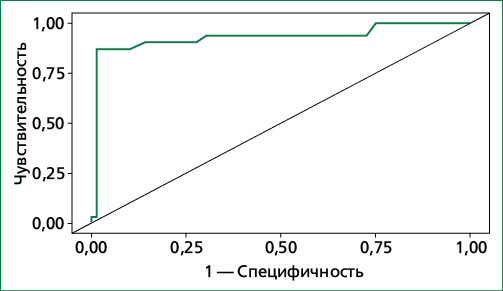
Results. A significant association was found between ASS scores and physical inactivity (AUC = 0,927), hypertension (AUC = 0,977), pre- and HF (AU = 0,917 and 1,000, respectively), obesity (AUC = 0,921), presarcopenia (AUC = 0,897), and T2D (AUC = 0,959). Women with these conditions had significantly higher ASS scores. ASS cutoff values with high sensitivity and specificity were determined for each condition. Prehypertension did not show any prognostic significance in relation to the ASS score (p = 0,413).
Conclusion. The ASS score demonstrates potential as a tool for identifying women at high risk of physical inactivity, hypertension, heart failure (both pre- HF and HF), obesity, presarcopenia, and T2D. The results highlight the importance of taking asthenic syndrome into account when assessing the general health of women and developing preven tive measures.
What is already known about the subject?
- Type 1 diabetes is associated with autoimmune destruction of pancreatic β-cells and requires lifelong insulin therapy, which does not prevent complications or eliminate the economic burden of the disease.
- Islet cell transplantation can restore endogenous insulin secretion, but requires lifelong immunosuppression and is limited by donor material shortages.
What might this study add?
- An analysis of the first successful use of hypoimmunogenic, genetically modified cells without immunosuppression is presented, demonstrating the potential of genome editing technologies to change the treatment paradigm for type 1 diabetes.
- A systematization of modern technological approaches (CRISPR, lentiviral transduction), clinical effects, and the remaining limitations of this method are presented.
Aim. To analyze current research data on the use of genetically modified insulin- producing cells, including genome editing technologies (Clustered Regularly Interspaced Short Palindromic Repeats (CRISPR)), in the treatment of type 1 diabetes (T1D), and to assess their potential efficacy, safety, and prospects for practical implementation.
Material and methods. We conducted an analytical review of publications, clinical trials, systematic reviews, and reports from international organizations on cell therapy and genetic engineering in the context of T1D treatment. A search of electronic databases (PubMed, eLibrary, Scopus) was conducted using the following keywords: diabetes mellitus, genetic engineering, and clustered regularly interspaced short palindromic repeats. Priority was given to publications from the last decade, reflecting the most relevant advances in regenerative medicine. The selected sources were analyzed, systematized, and organized into following thematic sections: technologies for obtaining insulin-producing cells, genetic modification methods, clinical results, risks, and limitations of use.
Results. Analysis of the sources revealed that transplantation of genetically modified insulin- producing cells is a promising approach to treating type 1 diabetes, aimed at restoring endogenous insulin secretion. Using CRISPR technology, the immunogenicity of transplanted cells can be reduced, potentially avoiding lifelong immunosuppressive therapy. This first clinical study demonstrates the ability of transplanted cells to provide glycemic control and reduce patients' dependence on exogenous insulin.
Conclusion. Unresolved issues remain related to long-term safety, the risk of tumor transformation, ethical aspects, and the high cost of therapy. Further research and technological advancements are needed in these areas.
What is already known about the subject?
- Obesity is maintained not only by biological factors but also by psychosocial mechanisms, including emotional reactivity, self-stigma, and maladaptive eating patterns.
- Cognitive behavioral therapy (CBT) is a structured method for changing cognitions and behaviors, widely used for lifestyle modification.
- Acceptance and commitment therapy (ACT) is a third wave approach and focuses on developing psychological flexibility and acting in accordance with values.
What might this study add?
- The differences in the focus of CBT and ACT in clinical obesity practice are demonstrated: CBT focuses more on self-regulation skills and relapse prevention. ACT focuses on the sustainability of changes in the face of emotional discomfort and long-term maintenance.
- Data on in-person and digital formats (online/phone/self-help) were compared as a means of expanding access to psychotherapy.
- A personalized approach is needed depending on the dominant mechanism: compulsivity/cognitive distortions vs emotional avoidance/self-stigma.
Aim. To compare current evidence on the effectiveness of cognitive behavioral therapy (CBT) and acceptance and commitment therapy (ACT) (including digital formats) in the treatment of obesity and overweight based on following parameters: body weight/body mass index, eating behavior, and mental status, as well as the sustainability of the effect at follow-up.
Material and methods. A literature search was conducted in the PubMed, Web of Science, and Scopus databases for the period from January 1, 2020, to October 1, 2025. The search employed Russian and English keywords using the Boolean operators AND/OR, including terms such as: ("cognitive behavioral therapy" OR CBT OR "acceptance and commitment therapy" OR ACT) AND ("obesity" OR "overweight") AND ("weight loss" OR "weight maintenance" OR BMI) AND ("eating behavior" OR "binge eating" OR "emotional eating").
Results. CBT, particularly within multidisciplinary programs, is more frequently associated with clinically significant changes in eating behavior and a more predictable trajectory of weight change. In turn, ACT demonstrates advantages in the long-term maintenance of changes by fostering psychological flexibility. Both approaches improve patients' mental status, reducing manifestations of depression, anxiety, and maladaptive eating behavior even in the absence of significant weight dynamics, underscoring their independent clinical value. Digital formats (online/telephone/self-help) enhance the accessibility and acceptability of interventions.
Conclusion. CBT and ACT are evidence- based components of comprehensive obesity therapy. CBT is appropriate when the priority is structured behavior modification and self-monitoring skills. ACT is preferable when emotional reactivity, distress tolerance, and difficulties with long-term maintenance of changes are key factors. A personalized selection or integration of approaches appears optimal.
STAFFING FOR PRIMARY HEALTH CARE
What is already known about the subject?
- Staff shortages are a critical issue in primary health care, relevant to all countries.
- The implementation of motivation and incentive measures is considered a factor in staff retention and reducing turnover.
What might this study add?
- The high significance of financial motivation measures, primarily incentive payments, is demonstrated. However, non-financial motivation is also significant and can reduce the staff shortage;
- Areas for improving management technologies are identified: developing clear performance evaluation criteria, creating conditions for their implementation, and developing a dialogue between the administration and employees of the health facility.
- Cross-country differences in the structure of physician motivational priorities are demonstrated, which may be associated both with variations in national models of primary health care management and with the specifics of the healthcare system's resource provision.
Aim. To analyze the results of a survey of physicians from health facilities in countries participating in the project "Implementation of Measures to Motivate and Incentive Employees of Primary Health Care Organizations in the Member States of the Commonwealth of Independent States" regarding the relevance of financial and non-financial incentives.
Material and methods. The study was based on the results of a survey of physicians from the Republic of Belarus, the Republic of Kazakhstan, the Kyrgyz Republic, and the Russian Federation working in primary health care organizations. The research supervisor developed a special questionnaire.
Results. The results demonstrated the high importance for physicians of understanding the criteria for evaluating their performance, the importance of creating conditions for achieving these criteria, and maintaining a dialogue with the administration of health facility. Among financial incentives, incentive payments are of primary importance. Among non-material motivational measures, a letter of gratitude from a manager is the most significant. Differences in assessments of motivation and incentive measures across countries for specific items are demonstrated.
Conclusion. The study's results allowed us to identify areas for improving performance evaluation criteria, creating conditions for their implementation, and fostering dialogue with employees. The development of a corporate culture in health facilities providing primary health care appears promising as a means of achieving these goals.
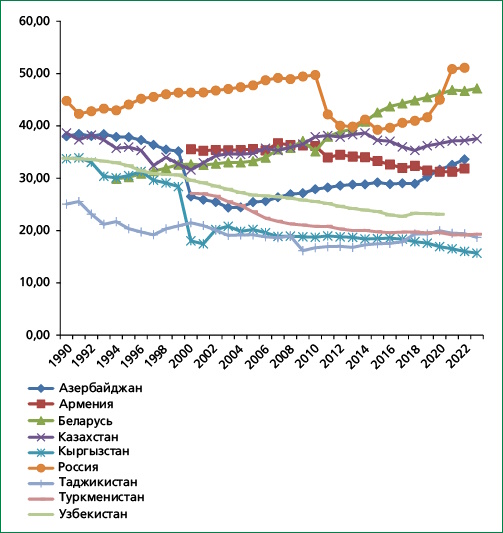
This review analyzes the human resources of primary health care (PHC). It is part of a series of reviews on various PHC aspects (organizational, management, resources, financing, digitalization, and outcomes. It was compiled to assess the potential for using international experience and evidence-based recommendations to ensure that PHC is provided with trained and efficiently organized human resources in the member states of the Commonwealth of Independent States (CIS). To compile the review, publications (with an emphasis on evidence-based reviews and methodological documents), regulatory documents, and online resources were selected using selected keywords and concepts related to the human resources aspect of PHC and its characteristics, as well as considering the criterion of potential impact on the outcomes of PHC provision. The article presents the results of a review of primary health care personnel in the context of the health system, including the implementation of recommendations for improving human resources with proven effectiveness, selected during the review process, in CIS member states.
Particular attention to the potential of primary health care personal to implement the principle of permanence (continuity, succession, consistency) of health care allowed us to systematize the approaches used in the selected CIS countries for its implementation.
All the review articles in this series address the transition from a "radar" principle associated with the concept of a "completed case of care" to continuous and ongoing permanent management by a local team of specialists to assist patients in managing their health throughout their lives. This approach allowed to conclude that the permanent provision of primary health care, based on patient cooperation and the use of evidence- based self-care and digital technologies, including telemedicine, helps to address the problem of PHC personnel shortage.
What is already known about the subject?
- The workflow management of primary care physicians and nurses in the context of staff shortages and imbalances requires improvement.
- Developing optimal organizational solutions can reduce the impact of staff shortages and imbalances on the accessibility and quality of care.
What might this study add?
- The study demonstrated that team-based organizational structure facilitates more efficient use of human resources.
Aim. To develop and implement novel organizational technologies for providing primary health care (PHC) on the ground of a team-based organizational structure in a therapeutic site.
Material and methods. The study was conducted from 2022 to 2024 in the Kemerovo Oblast — Kuzbass and Novosibirsk Oblast within five city outpatient clinics. The following methods were used: analytical, statistical, sociological, expert assessment, photo- chronometry, and organizational experimentation. The study materials included data from federal statistical systems, questionnaires, photo- chronometry observation cards, data from health information systems, and data from patient visit registration templates at medical facilities.
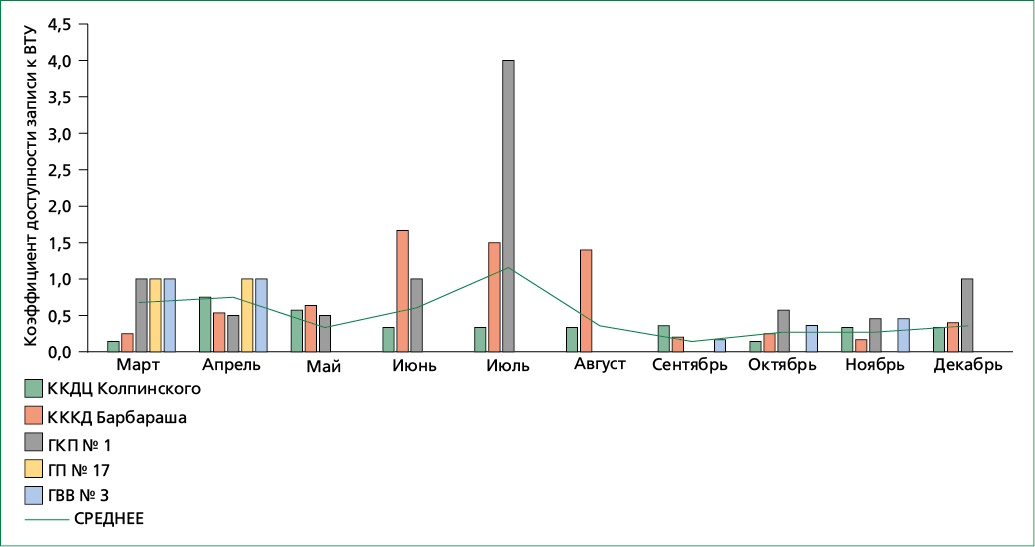
Results. A comprehensive approach to studying the PHC provision allowed us to develop two organizational technologies taking into account the areas of staff activity, the distribution of functions and the expansion of the functionality of nurses, the assignment of areas of personal responsibility, the formation of patient flows, and ensuring continuity in the staff work based on algorithms of actions and interactions. The implementation of organizational solutions led to more efficient use of human resources and increased accessibility to primary health care as follows: physicians and nurses spent more time working with patients during shifts and outpatient appointments; the share of non-core physician visits decreased by an average of 32,2 %; and the availability of appointments improved by an average of three times. There was also an increase in the comprehensiveness of outpatient follow-up coverage for eligible individuals at the pilot sites, on average 2,2 times compared to standard therapeutic sites.
Conclusion. The team-based organizational structure in the therapeutic site facilitates the efficient use of human resources and increases the accessibility and share of preventive care in PHC structure.
DIGITAL TECHNOLOGIES FOR PRIMARY HEALTH CARE
What is already known about the subject?
- Despite significant progress in the diagnosis and treatment of cardiovascular diseases, the prevalence of hypertension continues to increase, and many patients remain inadequately controlled.
- Remote technologies are known to be used in clinical monitoring to improve disease control.
What might this study add?
- The review analyzes current domestic and international publications on remote technologies in the diagnosis and treatment of hypertension;
- Remote patient monitoring improves the availability and quality of care, the effectiveness of blood pressure control, and patient adherence to treatment;
- The most promising are automatic blood pressure monitor with data transmission.
Despite significant progress in the diagnosis and treatment of cardiovascular diseases, the prevalence of hypertension continues to rise in modern conditions, while blood pressure control remains inadequate in a large number of patients. This review analyzes domestic and international publications on the use of remote technologies in the diagnosis and treatment of hypertension. The use of remote health monitoring for patients with hypertension as part of follow-up care helps improve the accessibility and quality of medical care, enables more effective disease control, and increases patient adherence to treatment. The most promising approach appears to be the use of remote blood pressure monitoring with devices that feature automatic data transmission. Remote monitoring systems allow for the timely detection of significant changes in health indicators, notification of responsible medical professionals, and, if necessary, facilitation of immediate emergency care. This ensures the rational use of human and time resources and reduces the expenditure of budget funds. An analysis of the literature reveals a significant variety of methods and technologies for implementing remote monitoring, which may influence the interpretation of clinical study results.
LEGAL ASPECTS OF PRIMARY HEALTH CARE
- How will legislative changes from Q4 2025 to early 2026 impact the organization and delivery of primary healthcare in the Russian Federation?
- These regulatory changes are shaping a primary healthcare modernization model focused on prevention, digitalization, and improved system manageability. Key innovations include extending the modernization program until 2030, expanding preventive measures and outpatient follow-up, introducing remote patient monitoring and telemedicine technologies, and updating the financial mechanisms of the compulsory health insurance system.
- Measures to improve access to healthcare for vulnerable groups have been further strengthened, new staffing and pharmaceutical solutions have been implemented, and health and healthy longevity medicine centers are being developed. These changes are aimed at improving the effectiveness of primary healthcare and stable healthcare system development.
Aim. To study regulatory changes for the period from Q4 2025 to January- February 2026 that impacted the management and delivery of primary health care in the Russian Federation.
Material and methods. We analyzed regulatory legal acts in the Russian Federation adopted during the period under review, including the Healthcare Development Strategy to 2030, the updated list of vital and essential medicines, and the new version of the State Medical Assistance Program for 2026-2028.
Results. The adopted regulatory legal acts form a comprehensive model for the modernization of primary health care, focused on prevention, digitalization, and improving governance of the sector. Key changes include extending the modernization program until 2030, expanding preventive measures and outpatient follow-up, implementing remote patient monitoring, developing telemedicine technologies, clarifying funding and tariff setting within the compulsory health insurance system, as well as introducing novel management approaches to staffing and pharmaceutical provision. Particular attention is given to specific social groups, including participants in the special military operation, persons with disabilities, and residents of remote or hard-to-reach areas. The implementation of these regulatory innovations creates institutional prerequisites for improving the accessibility and quality of care, as well as for optimizing managerial and financial processes in the health system.
Conclusion. The analysis of legislative changes from Q4 2025 to early 2026 demonstrates their systemic impact on the transformation of the legal and structural framework of primary health care in the Russian Federation. The new regulatory solutions are aimed at strengthening the preventive care model, advancing digital technologies, increasing the targeted provision of medical services, and improving financial mechanisms. Collectively, these measures create the legal framework for sustainable modernization of primary health care, more efficient use of health system resources, and improved accessibility of medical services for the population.

ISSN 3034-4565 (Online)